
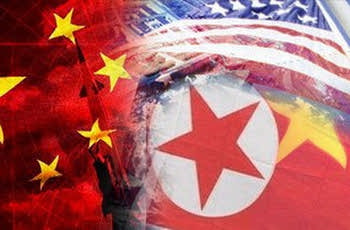
 The DPRK has de facto achieved nuclear deterrence on any attempts to change the ruling regime
Roman Kot
The North Korean issue remains a key one when we talk about security in Northeast Asia. And even more, despite sanctions imposed by the international community, North Korea’s nuclear capabilities are only growing. There has been no progress in North Korea’s denuclearization, and as a result of several rounds of talks, North Korea has de facto reached nuclear deterrence on any attempt to change the ruling regime.
In the past, the strategies of key countries interested in negotiations with North Korea (China, Russia, South Korea, Japan, and especially the United States) made it possible to reduce the threat. Today, against the background of the strained relations between China and the United States, there are grounds to actively involve North Korea in geopolitical competition on the side of one of the parties. Thus, as the above trends develop, there is a high probability of China’s unofficial involvement of North Korea as a kind of “chain dog”, which could threaten key American allies — Japan and South Korea.
This can be prevented through a constructive dialogue between the United States and North Korea on the de facto recognition of the latter’s nuclear status and gradual lifting of sanctions. However, such steps will have too many negative political consequences for the United States, in relations with allies included.
The article is available in Ukrainian


