
Let me greet all the readers and fans of “Borysfen Intel” and announce that after almost a three-year break I am back to the post of the President of the Center which we created back in 2011. Managing the Centre, I will surely pay attention to the subject, to which I have devoted most of my life — the development of the situation around China and in the countries of the Balkan region and their influence on global geopolitics in general, and on Ukraine — in particular. It is a pity, these two regions are underestimated in Ukraine at the national strategic level, since interstate relations have been reduced to, so to speak, officially populist ones, and if relations themselves do develop, it is only because of private-personal and mostly economic relationships at the level of the last century.
It is clear that the regions are not simple in terms of geopolitics and geo-strategy, now they are not the most important in addressing major challenges (such as, first of all, the Russian aggression and liberation of the occupied territories), but we have already to take care of tomorrow. The tasks that Ukraine will face in the 21st century, are not expected to be easy. We’re trying so hard to get into the last carriage of a “departing train” of the countries which in the nearest future will be subjects, not objects of international politics. If the situation develops differently, our fate will be sad and our descendants will not forgive us…
That is why here on “Bintel” we are starting a new project: “China: Myths and Reality”.
 And now to the point. All these thoughts followed my another, almost a month-long trip to China, which this time I visited not as an official as it was last time, but as a private expert to understand what is happening in that part of the globe. Is China in its development moving by leaps and bounds and begins to play the role of a global superpower? Are its hugs with Russia a tactical rather than a strategic move? Do the USA and China only if official argue for influence in the Pacific region? Do the Chinese from the mainland communicate with their brothers from Taiwan? And, finally, what do the Chinese know about today’s Ukraine? I will write about my journeys separately, I think it will be interesting to many, especially to those who hope to see the country through different eyes.
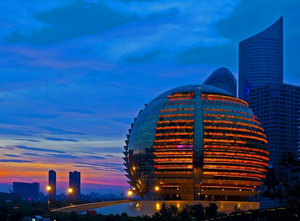
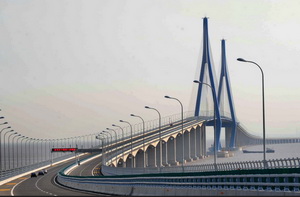
By the way, during the above-mentioned journey, I visited the place, to which soon, already on the 4th of September this year, the world’s attention will be chained. Yes, I mean Hangzhou. The city, which was once mentioned by Marco Polo, and which he called for the unrivaled natural historical architectural ensembles “one of the most exciting cities in the world”, where the central place is occupied by the picturesque West Lake. Hangzhou is located 180 km from the financial capital of China — Shanghai. But because China within the last decade has made an incredible breakthrough in the development of high-speed railway networks and local trains travel at speeds of up to 300 km/h (compared with our few branches and troubled fleet), an hour later we were walking along the Hangzhou railway platform. I am leaving descriptions of local tourist attractions for later, but will focus on some impressions from the city. It immediately impresses one with its originality, even including its modern part. It does not look like Shanghai, which from the first minutes starts putting pressure on you with its scale and frantic traffic, or like the city of Guangzhou with its central part, reminiscent of New York’s Manhattan, than the former fishing village. Not like Chengdu, which at once lets one know that here, where Europe and the New World have reached, the modern civilization ends and the way to Tibet opens.
 Hangzhou has remained the place where respectable rest places of former emperors of China are in accord with beautiful modern multi-storied buildings, business offices and modern educational institutions. Most striking is that there are no crowds of townspeople or traffic congestions on the streets, unlike in Beijing or Hong Kong. By the way, in the twenty million people Beijing, the problem is not to buy a car but to get a number plate for it. Car owners wait for it for years. The city is overpopulated and congested with vehicles. Therefore, it becomes clear why the Chinese authorities decided to hold the Summit of “G-20” not in Beijing, Shanghai, Harbin, Guangzhou or even in some “heavyweight”-city of China, but exactly in a respectable Hangzhou. And who is interested in China, he understands that symbolism has always played an important role in China’s thousands-years long history. And if someone thinks that it is only for the outside world, he is deeply mistaken. First of all — for China’s own people.
Therefore, the main theme will be not the political security (though it cannot be avoided), but the economic one, and all that is associated with economy.
In early September, the city of Hangzhou will be the center of global economic and political processes. In particular, on September 4-5 for the eleventh time the leaders of the “Big Twenty” (G20) countries will meet and discuss key global economic issues. China is actively striving to make the Summit in Hangzhou a turning point in the development of the world economy.
In particular, the proposed by the Chinese side the summit’s slogan — “Towards an Innovative, Invigorated, Interconnected and Inclusive World Economy” — demonstrates China’s desire to step up the implementation of the accumulated scientific and industrial capital. Every word of this slogan shows Beijing’s willingness to expand the scale of its participation in globalization of the world economy by increasing the Chinese share in “global chains of added value”. This position of the PRC demonstrates the developing economies’ desire to increase their participation in high-tech researches and developmental work, design processes and in services provided after the sale of goods.
It may happen that such China’s position will cause reserved reaction of the leading countries of the world which ambiguously perceive China’s economic and financial policies. But China is ready to cede to Western countries, creating a constructive atmosphere for the meeting in Hangzhou.
Trying to maximally contribute to the positive solution of modern problems of the world economy, China is trying to depoliticize this Summit. However, the conflicts which today are numerous in international relations, will interfere with the international community’s focusing attention exclusively on solving economic problems. At the summit of “G20”, the leaders of member countries will not be able to ignore Russia’s aggression in Ukraine.
And Russia, having no real proposals in the sphere of economy, will try to use the “G20” Summit only to cancel the international sanctions. Russian President V. Putin has already arranged a meeting with German Chancellor A. Merkel and French President F. Hollande, hoping also to cancel the negotiations on settlement of the conflict in the East of Ukraine in the “Normandy Format” and to replace the Minsk Agreements with some new, more profitable for himself, agreement.
It is obvious that negative processes in the global economy and developing countries’ efforts to improve their economic position do not guarantee that the “G20” Summit in Hangzhou will be able to solve all the problems. However, in Hangzhou member-countries of the “G20” will determine the most important questions of the world economy, as well as their willingness to resolve common problems during Germany’s presidency of the “G20”.
To read more about “G20” Summit in Hangzhou, visit “Borysfen Intel”’s website soon.
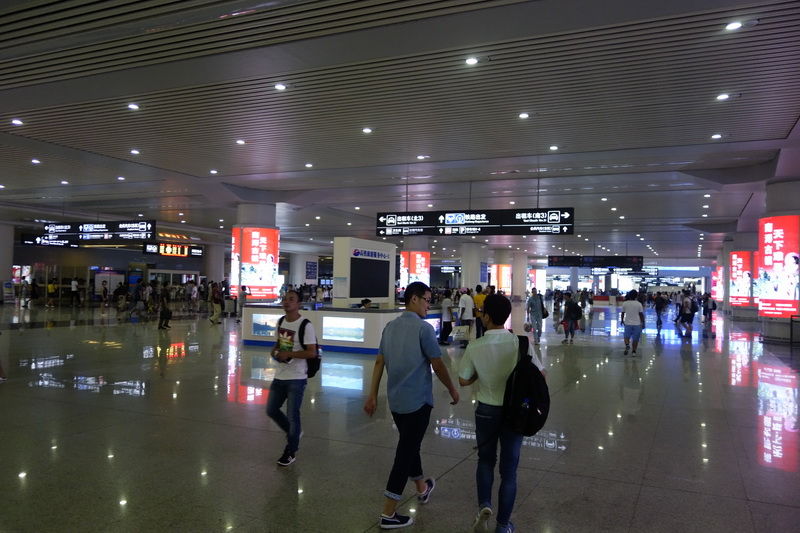
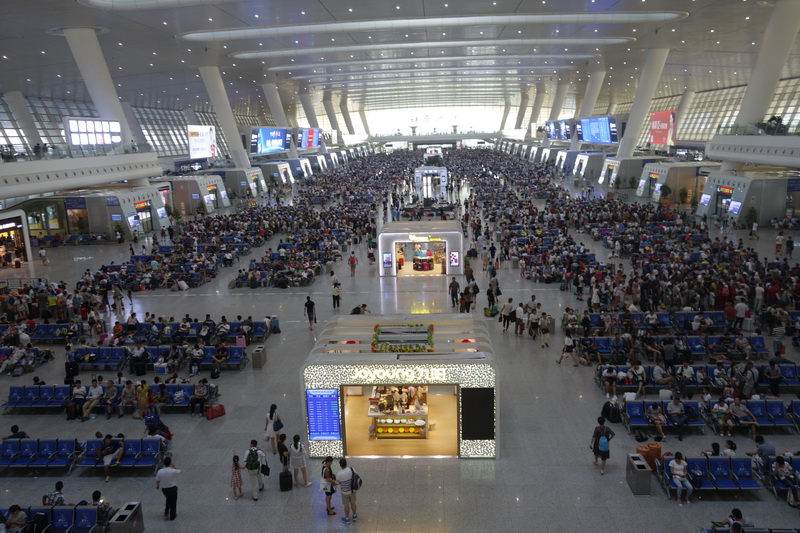
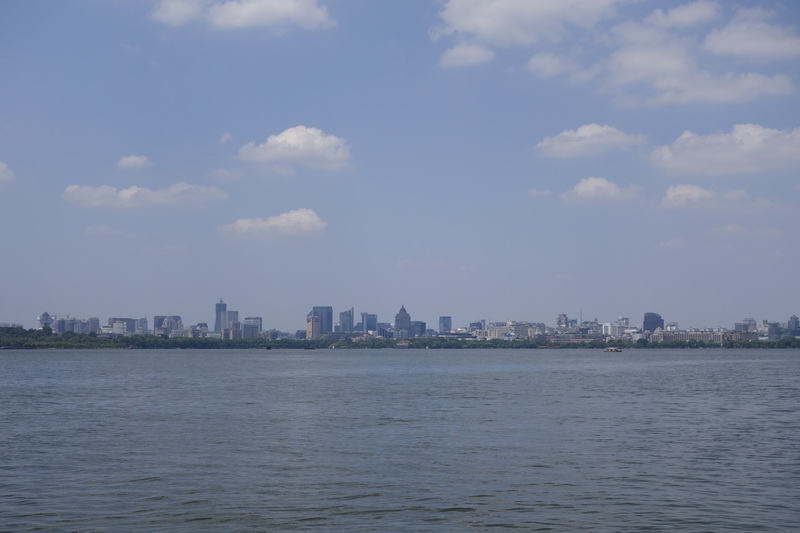
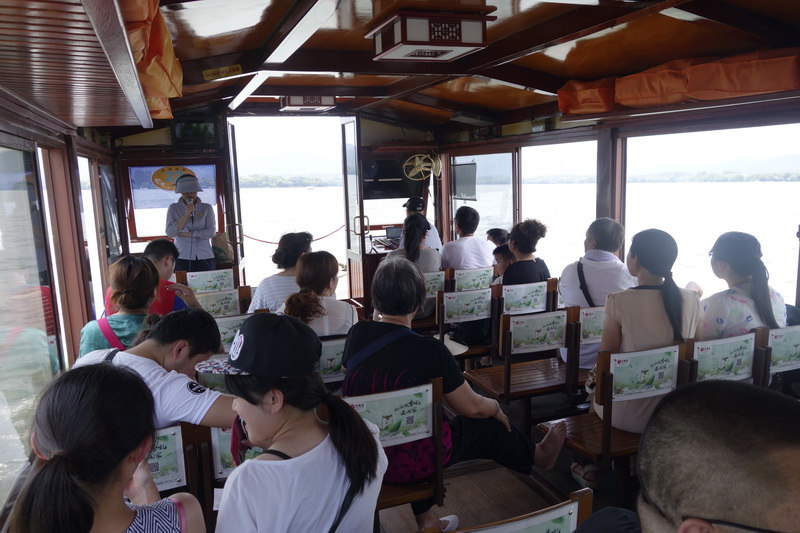
A few pictures of Hangzhou. Photos — by the author
 |
 |
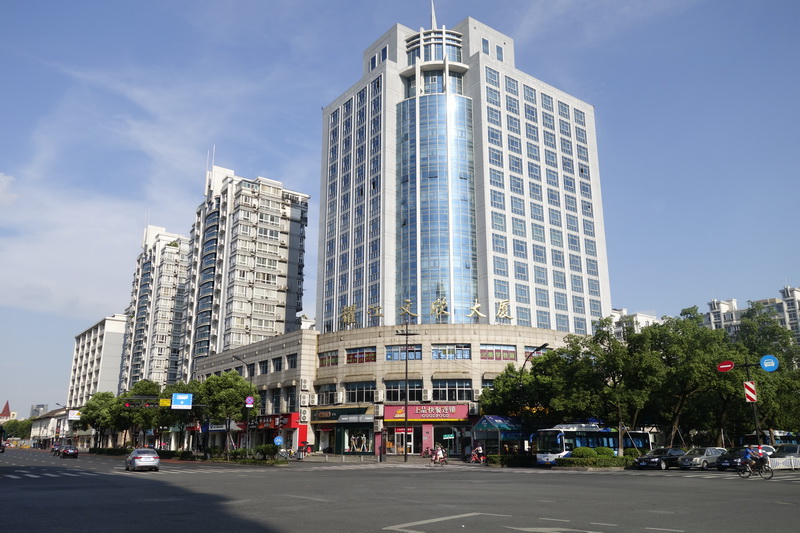 |
| Hangzhou railway station | Railway station | Business offices in Hangzhou city center |
 |
 |
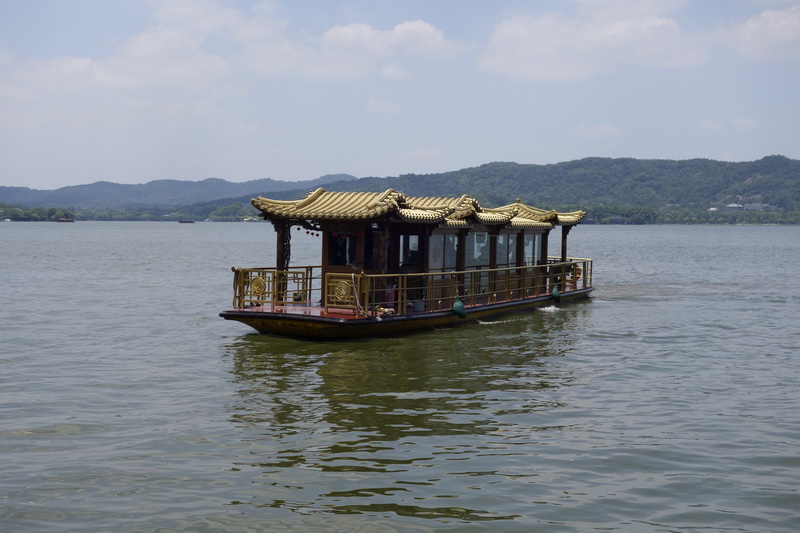 |
| Xihu Lake with the view to the City | China can do without foreign tourists. It has lots of its own. On the West Lake | Pleasure boat on Lake Xihu |
 |
 |
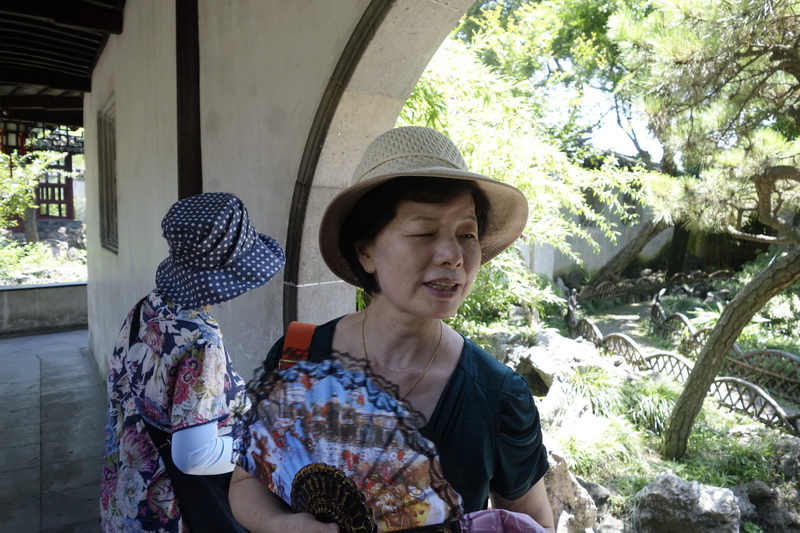 |
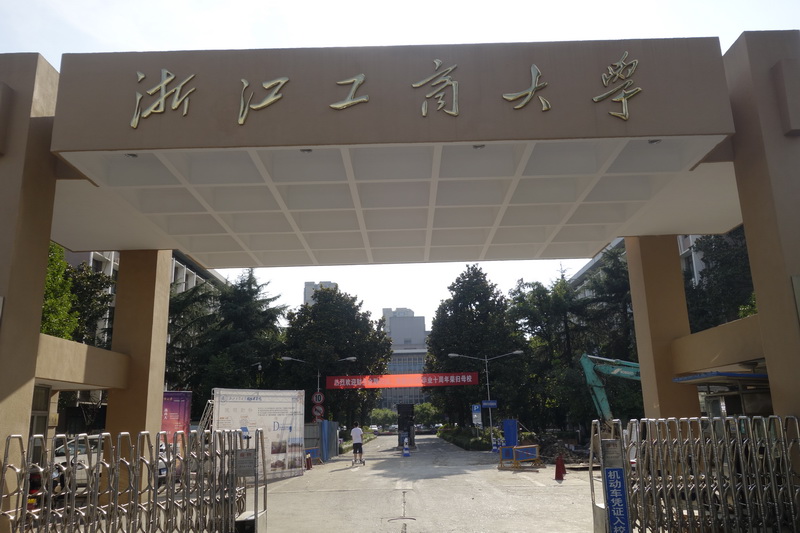
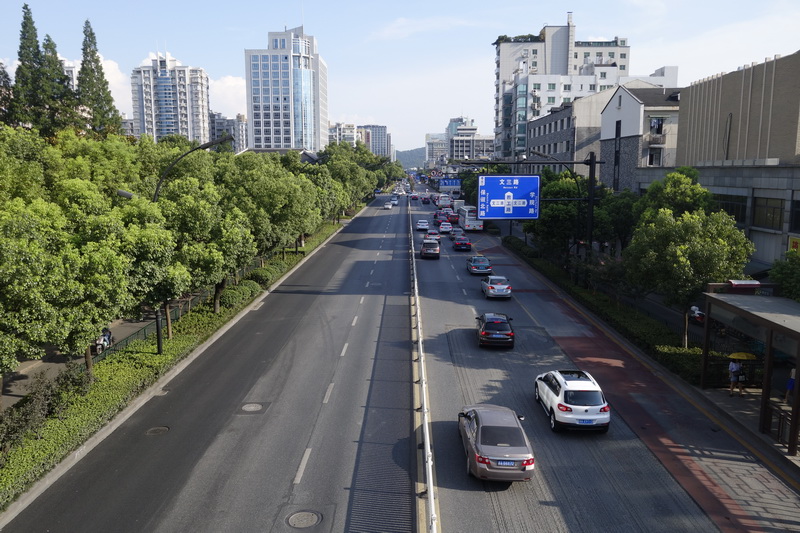
| Hangzhou Economic University | Central streets of the city | Chinese women from Taiwan. Home should not be forgotten |
 |
 |
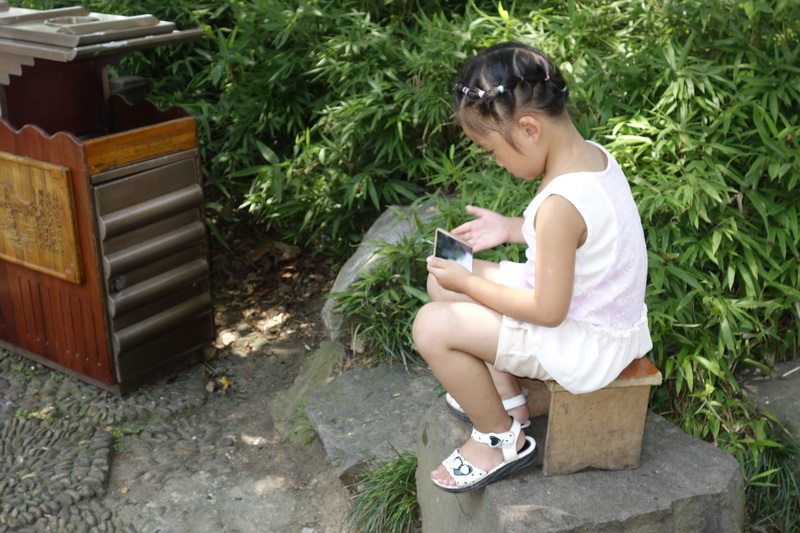 |
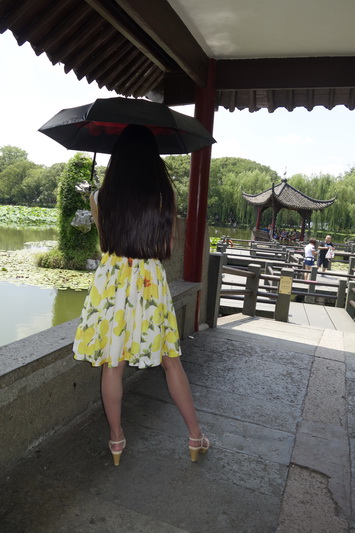
| A Coffee Shop in the center of Hangzhou | Chinese women also respected long hair | China’s Future |

